

What It Means to Choose a Therapy Intensive Before You Feel “Fully Ready”

What It Means to Choose a Therapy Intensive Before You Feel “Fully Ready”
TL;DR
You do not have to feel completely confident, fearless, or certain before beginning a therapy intensive. Fear, hesitation, and self-doubt are often normal protective responses from a nervous system that is unsure about change. Starting before you feel “fully ready” does not mean forcing yourself into something overwhelming. It means working with a skilled therapist who will meet you where you are, respect your pace, and help you feel supported throughout the process. Sometimes, choosing to show up while uncertainty is still present can become a powerful act of self-trust. If you are considering a therapy intensive in Katy, TX but still feel unsure, that hesitation does not mean you have to stop. It may simply mean a protective part of your nervous system needs more information, safety, and support.
Wanting Support but Not Feeling Ready for It
You know something needs to change.
Maybe anxiety has been running your life. Maybe you are emotionally exhausted, struggling with burnout recovery, or tired of carrying experiences from your past that continue to affect your relationships, confidence, or ability to feel at peace.
Part of you wants help. Another part says:
“What if this is too much?”
“What if I choose the wrong therapist?”
“What if I open everything up and feel worse?”
“Maybe I should wait until life calms down.”
“I know I need support, but I’m just not ready yet.”
If this sounds familiar, you are not doing anything wrong.
It is completely normal to want change while also feeling afraid of it. In fact, many people who are considering a therapy intensive experience a mixture of hope, fear, relief, uncertainty, and self-doubt—all at the same time.
You do not have to eliminate that uncertainty before reaching out. Sometimes, readiness for therapy does not arrive as a confident feeling. Sometimes, it looks more like quietly realizing, “I don’t want to keep doing this alone.”
Why Waiting to Feel Ready Can Keep You Stuck
Many people believe there will eventually be a perfect moment to begin deeper emotional healing.
They imagine reaching a point when work is less demanding, their relationships feel more stable, their anxiety quiets down, and they suddenly feel completely confident about starting trauma therapy.
But that perfect moment often does not come.
Life continues to be busy. New responsibilities appear. Anxiety comes up with another reason to wait. Before you know it, months—or even years—have passed while you continue trying to manage everything on your own.
This does not mean you are unmotivated or unwilling to heal. It may mean your nervous system is doing exactly what it learned to do: protect you from uncertainty.
Your nervous system tends to prefer what is familiar, even when what is familiar is uncomfortable. If you have spent years overthinking, staying in control, minimizing your needs, or pushing through emotional pain, those patterns may feel safer than trying something new.
Change brings uncertainty. Your nervous system may respond to that uncertainty by creating hesitation, avoidance, physical tension, or endless questions. It may convince you that you need to research a little longer, wait until you feel stronger, or make sure you are “really ready.”
That resistance is not automatically a red flag. It is often a normal protective response.
Sometimes “I’m not ready” really means:
“I’m afraid I will become overwhelmed.”
“I don’t know whether it is safe to trust someone.”
“I’m worried I will lose control.”
“I’ve been disappointed by therapy before.”
“I don’t know what will happen if I stop avoiding this.”
“Part of me wants to heal, but another part is still trying to protect me.”
Those fears deserve compassion—not criticism.
What Ambivalence Is Really Telling You
Ambivalence means that more than one thing is true at the same time.
You can want relief and still be afraid of what therapy might bring up. You can trust a therapist and still need time to feel safe. You can believe a therapy intensive may help while questioning whether you are capable of doing it.
One part of you may be saying, “I’m ready for something to change.”
Another part may be saying, “Please don’t make me do anything unfamiliar.”
Neither part is wrong.
The part that wants change may be tired of anxiety, emotional pain, or constantly feeling stuck. The hesitant part may have spent years protecting you from vulnerability, disappointment, rejection, or overwhelm.
Instead of treating fear and self-doubt as proof that you should postpone therapy, it can be helpful to become curious about them.
What is your fear trying to protect you from? What would help the hesitant part of you feel more supported? What questions need to be answered before you take the next step?
A trauma-informed therapist will not shame you for feeling unsure. They will understand that ambivalence is often part of the healing process. You do not have to hide it, talk yourself out of it, or pretend to be more confident than you feel.
Your uncertainty can come into the room with you.
What It Actually Looks Like to Start Before You Feel Ready
Beginning a therapy intensive before you feel fully ready does not mean walking into a room and immediately sharing every painful detail of your life.
It does not mean hours of nonstop emotional processing. It does not mean giving up control or being pushed beyond what feels manageable.
A well-designed therapy intensive is collaborative.
Before beginning deeper work, you and your therapist can talk about what brought you to therapy, what you hope will change, and what concerns you have about the process. You can ask questions. You can name what feels scary. You can discuss previous therapy experiences and what did—or did not—feel helpful.
Your therapist can help you identify signs that your nervous system is becoming activated and incorporate nervous system regulation throughout the session. The pace can be adjusted. Breaks can be taken. The focus can shift when something begins to feel like too much.
You are allowed to say:
“I need to slow down.”
“I’m not ready to talk about that part yet.”
“I’m noticing that I feel overwhelmed.”
“Can you explain what we are doing?”
“I need a break.”
A skilled therapist will meet you exactly where you are instead of expecting you to arrive fearless, fully regulated, and ready to discuss everything.
Starting before you feel fully ready may simply look like scheduling a consultation. It may look like showing up with a list of questions. It may look like acknowledging that you are nervous or beginning with a smaller, more manageable goal.
For some people, a therapy intensive focuses on trauma therapy and processing difficult experiences. For others, the initial focus may be therapy for anxiety, building emotional safety, understanding protective patterns, or supporting burnout recovery.
The process should be shaped around you—not the other way around.
Starting Before You Feel Ready Does Not Mean Ignoring Safety
There is an important difference between not feeling completely ready and being pushed into therapy without adequate safety, stability, or support.
You should never be pressured into processing something before you have the capacity to remain present with it. A responsible therapist will assess your needs, current stressors, support system, goals, and concerns before recommending an intensive.
Sometimes the next step is deeper processing. Sometimes it is preparation, nervous system regulation, or building trust first. Sometimes a therapist may recommend a different level or type of support.
You do not have to determine all of this on your own. That is part of what the consultation and assessment process are for.
You only need enough willingness to have the first conversation.
How Choosing to Show Up Is an Act of Self-Trust
Many people think self-trust means knowing exactly what to do and feeling completely confident about it.
But self-trust is not the absence of uncertainty.
Sometimes, self-trust means listening to the part of you that knows something needs to change—even while another part is afraid.
It can sound like:
“I’m scared, but I’m willing to ask questions.”
“I don’t know exactly what healing will look like, but I know I need support.”
“I may not feel completely ready, but I trust myself to speak up if I need to slow down.”
“I can feel uncertain and still take one step forward.”
Choosing a therapy intensive is not a promise that you will never feel nervous. It is a decision to stop requiring yourself to feel perfectly prepared before you are allowed to receive help.
That choice can become part of the emotional healing itself.
Every time you voice a need, ask a question, take a break, or allow someone trustworthy to support you, you are building evidence that you can listen to yourself. You are learning that fear does not have to make every decision for you.
Courage is not always feeling confident and charging ahead. Sometimes, courage is showing up with shaky hands, an overthinking brain, and a long list of concerns—and allowing yourself to be supported anyway.
You Do Not Have to Be Fully Ready to Reach Out
If you are curious about a therapy intensive but keep waiting to feel completely certain, you are not alone.
You do not have to commit to the entire process today. You do not have to know exactly what you want to work on or how to explain everything you have been feeling.
You can begin with a conversation.
During a complimentary 15-minute consultation, we can talk about what has been keeping you stuck, what you are hoping will change, and what concerns you have about beginning. Together, we can explore whether a therapy intensive feels like a supportive next step for you.
I give you permission:
You are allowed to reach out while you still have questions.
You are allowed to feel hopeful and afraid at the same time.
You are allowed to begin before everything feels perfectly aligned.
You do not have to feel fully ready. You only need enough readiness to take the next step—and I’ll meet you there.
Schedule your complimentary 15 minute consultation now!
About Krissy White, MA, LPC-S
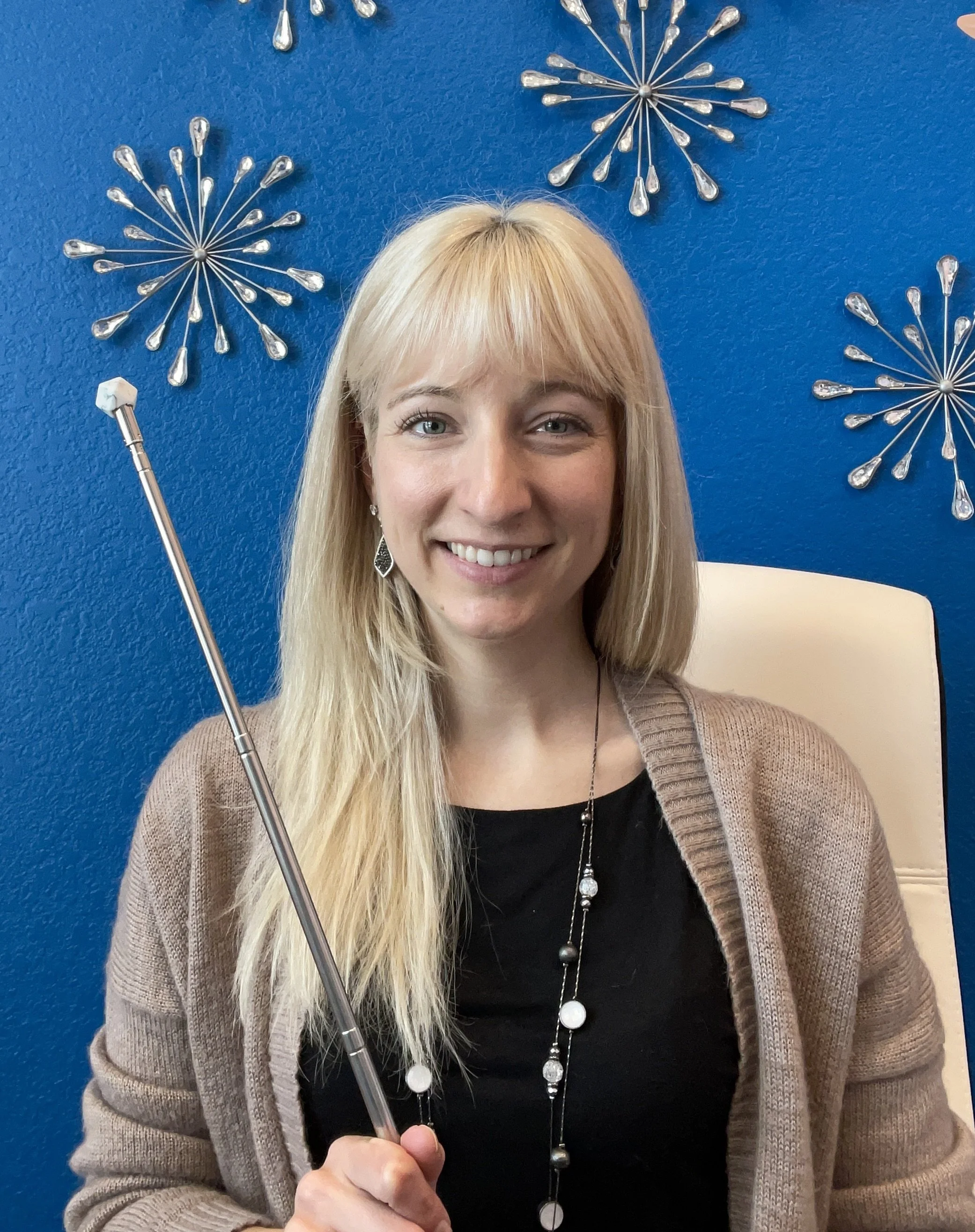
Krissy White, MA, LPC-S, is a Licensed Professional Counselor Supervisor with over 14 years of experience supporting adults in Katy, Texas. She specializes in anxiety, trauma, depression, low self-worth, and the lasting effects of difficult life experiences. Krissy uses evidence-based approaches, including Cognitive Behavioral Therapy and cutting edge techniques like Brainspotting, to help clients regulate their nervous systems, process painful experiences, build self-trust, and create lasting emotional healing. At Creating Changes Counseling, she is committed to providing compassionate, expert care both in person in Katy and online for clients throughout Texas and Illinois.