

Healing from Family Rejection and Religious Trauma | Trauma Therapy in Katy, TX

When Love Feels Conditional: Healing from Religious Trauma and Family Rejection
Healing from Religious Trauma and Family Rejection
It hurts to feel rejected by people you love.
When rejection comes from family members or a religious community that was supposed to provide support, the pain can run especially deep. Many people tell themselves they should be over it by now. Maybe years have passed. Maybe they've built a new life. Maybe they've done everything they can to move forward.
And yet something still hurts.
As a therapist, I've worked with many people who carry the weight of family rejection or religious trauma long after the events themselves have ended. Sometimes they come to therapy because of anxiety, people-pleasing, low self-esteem, relationship struggles, or feeling disconnected from themselves. They don't always realize how much those earlier experiences are still affecting them.
If this sounds familiar, you're not alone.
The truth is that being rejected, criticized, shamed, or emotionally cut off by people who mattered to you can leave lasting wounds. Those experiences can shape the way you see yourself, the way you relate to others, and even the way your nervous system responds to stress.
Why Rejection Hurts So Much
We all need connection and to feel like we belong.
As children and teenagers, we depend on the people around us to help us feel safe, accepted, and valued. When those relationships feel secure, we learn that we matter and that we can be ourselves.
When love or acceptance feels conditional, things get more complicated.
Maybe you felt like you had to hide parts of yourself or that your questions weren't welcome. Maybe your choices were criticized or told directly or indirectly that who you are wasn't acceptable.
Those experiences can create a deep sense of loneliness, even when other people are around.
I've had clients describe it as feeling like they never quite belonged anywhere.
How Family Rejection and Religious Trauma Affect the Nervous System
One thing I often explain to clients is that rejection doesn't just affect emotions. It affects the nervous system too.
When someone repeatedly experiences criticism, judgment, shame, or emotional disconnection, the body learns to stay alert for signs that it could happen again.
People who have experienced family rejection or religious trauma may find themselves:
Overthinking conversations afterward
Worrying about disappointing people
Feeling anxious when setting boundaries
Avoiding conflict
Being highly sensitive to criticism
Struggling to trust others
Feeling like they have to earn love or acceptance
These responses aren't signs that you're weak or broken.
In many cases, they're signs that your nervous system adapted to help you survive emotionally difficult situations.
How These Experiences Can Show Up Later in Life
The effects of rejection don't always show up in obvious ways:
Sometimes they appear in relationships.
You may worry people will leave if they see the real you.
You may push yourself relentlessly because your worth feels tied to achievement.
They may show up in the relationship you have with yourself and impact your self worth.
You might find yourself being much harder on yourself than you would ever be toward someone else.
Many people also struggle with shame - Not the feeling of "I made a mistake."
The feeling of "Something is wrong with me."
That kind of shame can be incredibly painful to carry, especially when it has been there for years.
How Therapy Can Help
One of the most healing parts of therapy is having a space where you don't have to explain why something hurt.
You don't have to convince me that what happened was painful.
You don't have to defend your experience.
Healing often begins when people finally feel safe enough to be honest about what they've been carrying.
In therapy, we can work together to understand how these experiences have affected your life, process the emotions connected to them, and build a stronger sense of self-trust.
Many people find themselves becoming less reactive to criticism, more confident in their boundaries, and more connected to who they really are.
How Brainspotting Can Help
For some people, understanding what happened isn't enough.
They know the rejection wasn't their fault, but they still feel the hurt.
This is where Brainspotting can be especially helpful.
Brainspotting is a trauma-focused approach that helps access the deeper emotional and nervous system responses connected to painful experiences.
Many clients describe knowing something logically while still feeling stuck emotionally.
Brainspotting helps bridge that gap.
By working with the brain and nervous system, clients often find that old feelings of shame, rejection, fear, and emotional pain begin to lose their intensity.
As a Brainspotting therapist in Katy, TX, I've seen how powerful it can be for people who are carrying wounds related to family rejection and religious trauma.
You Deserve Support
If you've experienced family rejection, religious trauma, or shame that still affects you today, I want you to know something:
Your pain makes sense.
You don't have to minimize it.
You don't have to compare it to someone else's story.
And you don't have to carry it alone.
At Creating Changes Counseling, I provide trauma therapy and Brainspotting therapy in Katy, TX for teens and adults who are working through the effects of rejection, shame, anxiety, and painful life experiences.
Healing doesn't mean forgetting what happened. It means learning that what happened no longer gets to define your relationship with yourself.
If you're ready to take that next step, I'd be honored to support you. Learn more about how therapy works with me.
Are you ready? Schedule a consultation and let’s see if we are a good fit.
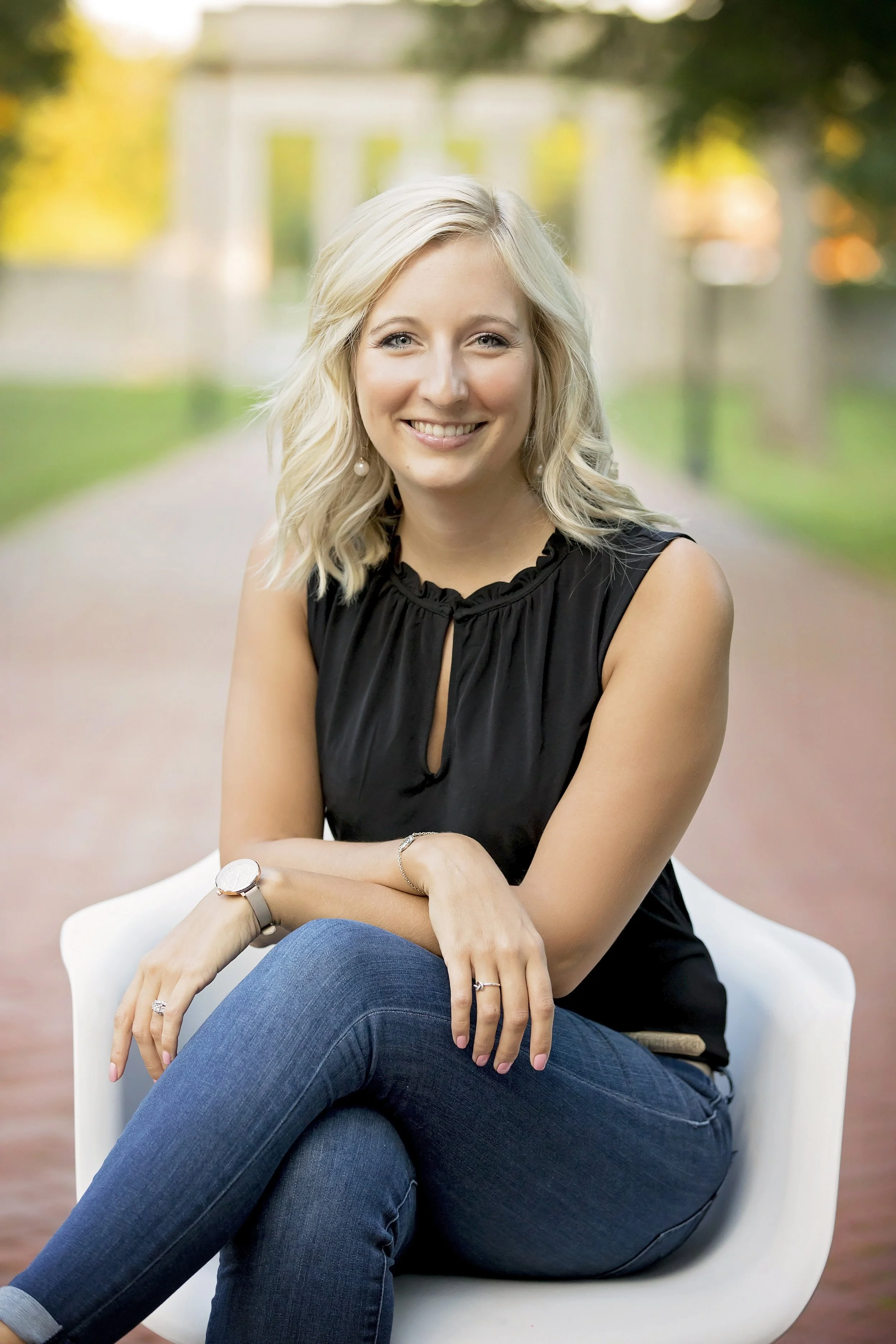
Krissy White, MA, LPC-S
Certified in Brainspotting
More than a decade of experience
I’m a trauma informed therapist specializing in treating people who struggle with anxiety, trauma, and depression. I love using brainspotting and cognitive behavioral therapy to help people heal and grow. I would love to help you reach your goals and live a happier, healthier, life.
Contact me today!