


TL;DR
If you find yourself people-pleasing to avoid conflict, panicking when a partner goes quiet, or pulling away the second someone gets close, those patterns usually didn't start in your current relationship. They often trace back to how safety, closeness, and conflict were handled earlier in life. This is called an attachment wound, and it's one of the most common things I work through with clients in trauma therapy in Katy, TX. Book a free 15-minute consultation if you want to talk through what you're noticing.
You know the moment: your partner takes an extra hour to text back, and your brain goes somewhere it has no business going. Or a friend cancels plans, and instead of feeling mildly annoyed, you feel like you did something wrong just by existing. Maybe it's the opposite: someone gets close, really close, and your first instinct is to create distance before they can leave first.
None of this means you're “too much” or “too closed off.” It usually means your nervous system learned, a long time ago, that closeness came with risk.
What Attachment Wounds Actually Are
Attachment styles describe the patterns we develop, usually in childhood, around how safe it feels to depend on someone. They're not a diagnosis, and I'm not going to hand you a label and send you on your way. In broad strokes, people tend to lean toward:
Secure: comfortable with closeness and comfortable being alone
Anxious: craves closeness, fears abandonment, reads a lot into silence or distance
Avoidant: values independence, uncomfortable relying on others, pulls back when things get close
Disorganized: wants closeness and fears it at the same time, often after inconsistent or frightening early relationships
Most people aren't purely one style. And a style isn't fixed; it shifts with safety, with the relationship you're in, and with the work you do to understand it.
How This Shows Up Day to Day
In session, attachment wounds rarely show up labeled as such. They show up as:
Apologizing for things that aren't your fault, to keep the peace
Assuming silence means someone is upset with you
Testing a relationship to see if the other person will stay
Feeling suffocated the moment a relationship gets serious
Becoming fiercely self-sufficient so you never have to need anyone
If the last one sounds familiar, I've written more specifically about when self-reliance becomes a trauma response. If the people-pleasing pattern is what stands out, that's covered in more depth in People-Pleasing and Self-Abandonment. And if a lot of this comes out as guilt every time you set a boundary, I've also written about setting boundaries without guilt.
Misconceptions I Hear in Consultations
A misconception I hear often is that attachment work means blaming your parents. It doesn't. Most parents were doing the best they could with what they had, and often passed down patterns they never got the chance to look at themselves. This work is about understanding your patterns, not assigning blame.
Another misconception is that if you're anxious or avoidant in relationships, something is broken in you. These are adaptations, not defects. They made sense at some point, usually because they kept you safe or kept the peace in an environment where that mattered.
One pattern I frequently notice is that clients with an anxious attachment style blame themselves for being “too needy,” while clients with an avoidant style blame themselves for being “too cold.” Often, they're both just protecting the same soft spot in different directions.
A Composite Example
The example below is a composite drawn from patterns I see across many clients, not a real person or an actual session.
“Daniel” is 29 and came to therapy after his girlfriend said she felt like she was “always chasing him.” Daniel didn't see it that way; he just needed space when things felt intense. As we talked, a pattern emerged: Daniel's home growing up was unpredictable, and staying a little detached had kept him steady. That strategy worked when he was ten. At 29, in a relationship where his partner genuinely wanted to be close to him, it was working against him. We didn't try to rewire Daniel into someone who wants constant closeness. We worked on helping his nervous system recognize the difference between the unpredictability he grew up with and the actual, current safety of his relationship.
A Distinction I Make with Clients
Healing attachment wounds isn't about becoming someone who never needs reassurance or never wants space. Secure functioning isn't the absence of needs, it's being able to notice a need, communicate it, and tolerate the vulnerability of asking. I'm not trying to make anxious clients less caring or avoidant clients less independent. I'm helping you have more choices than the automatic ones your nervous system currently offers.
How Trauma Therapy and Brainspotting Can Help
A lot of attachment material isn't stored as a clear memory you can talk through logically; it's stored in the body, as a felt sense of danger when someone gets close, or panic when someone pulls away. That's part of why talk therapy alone sometimes isn't enough to shift these patterns, even when you understand them perfectly well intellectually. Brainspotting can be useful here because it works with that body-based, pre-verbal material directly.
That said, Brainspotting isn't always where we start. If you're currently in a relationship crisis, if you're highly dysregulated, or if there's active safety risk, we build stabilization and coping skills first. And for some people, structured talk therapy and skills work is genuinely the better fit; not everyone needs or wants body-based processing, and that's a conversation we have together, not a plan I hand you on day one.
Frequently Asked Questions:
Is attachment theory actually backed by research?
Attachment theory has a solid research base in developmental and relationship psychology, though like most psychological frameworks, it's a useful lens rather than a precise diagnostic tool. I use it to help clients make sense of patterns, not to put anyone in a box.
Do you diagnose attachment styles?
No. Attachment style isn't a clinical diagnosis, and I won't hand you a label in the first session. We look at your patterns together over time, in the context of your actual history and relationships.
Is this the same as couples therapy?
Not exactly. This work is usually individual trauma therapy focused on your own patterns, which can absolutely improve your relationships. If you and a partner want to work on the relationship together, that's a different, joint process, and I'm happy to talk through what fits your situation at a consultation.
Do you take insurance?
I'm a private-pay practice and don't bill insurance directly. If you have out-of-network benefits, I can provide a superbill for possible reimbursement; coverage depends on your plan. Current fees are on my rates and availability page.
Do you offer online sessions?
Yes. I see clients in person in Katy, TX, and online throughout Texas, Illinois, and Maine.
You Can Build New Patterns
Whatever your nervous system learned about closeness, it learned it for a reason, and it can learn something different. This isn't about becoming a different person; it's about giving yourself more room to respond instead of react. I work with people across Katy, West Houston, and the greater Houston area on exactly this, often alongside the anxiety or depression that tends to travel with it. If low mood has been part of the picture too, I've also written about what high-functioning depression can look like.
If you're in immediate crisis or having thoughts of suicide, please call or text 988 for the Suicide & Crisis Lifeline, or call 911 or go to your nearest emergency room.
Ready to Understand Your Patterns?
A complimentary 15-minute consultation is a low-pressure way to ask questions and see if we're a good fit. Book your free consultation here, or learn more about trauma therapy in Katy, TX. I'm a private-pay practice, and if you have out-of-network benefits, I can provide a superbill for possible reimbursement.
About Krissy White, MA, LPC-S
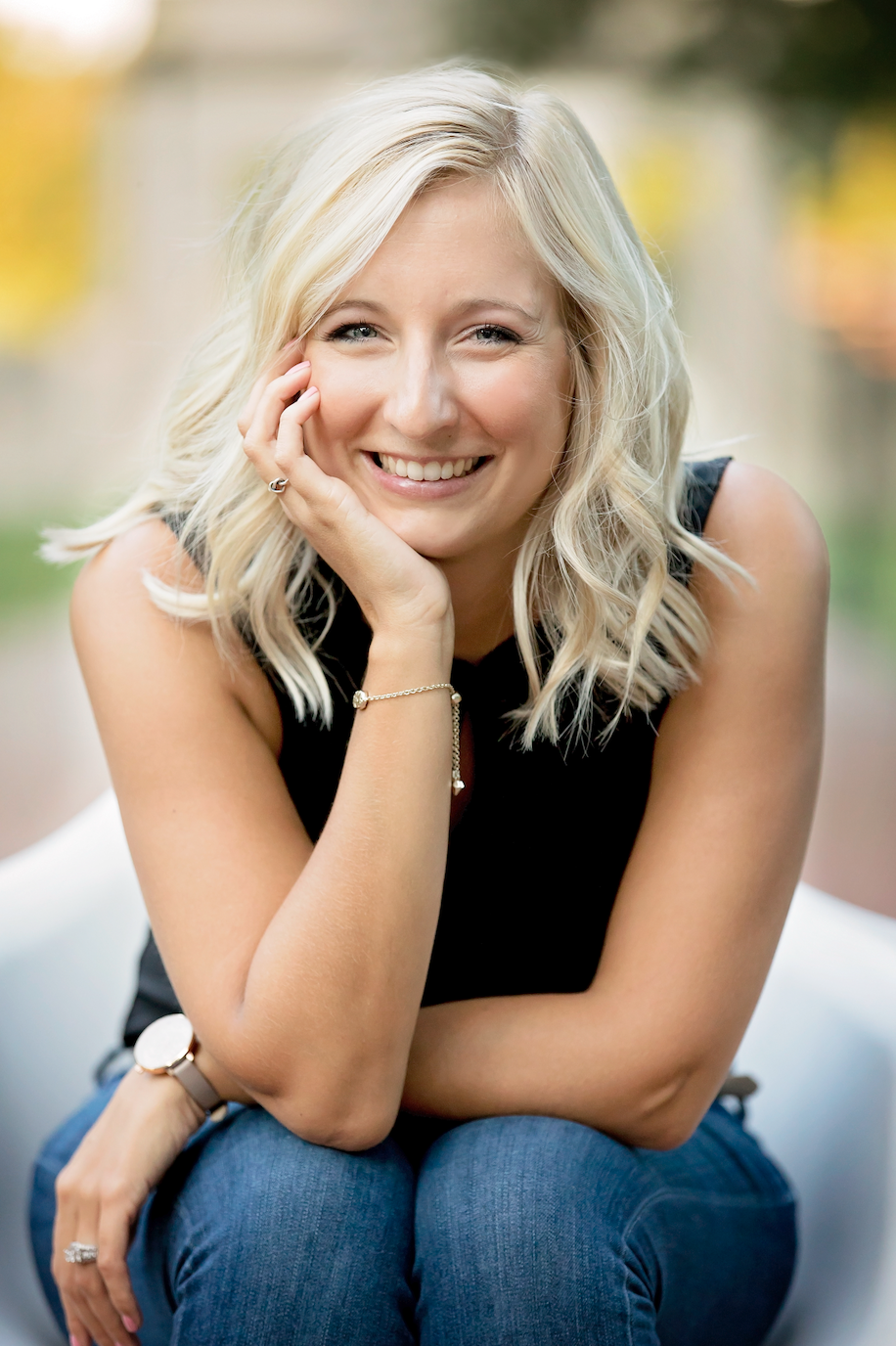
Krissy White is the owner of Creating Changes Counseling and a Licensed Professional Counselor-Supervisor with over 14 years of experience helping people move through anxiety, trauma, and depression. She is certified in Brainspotting and sees clients in person in Katy, TX, and online throughout Texas, Illinois, and Maine. Learn more about Krissy.